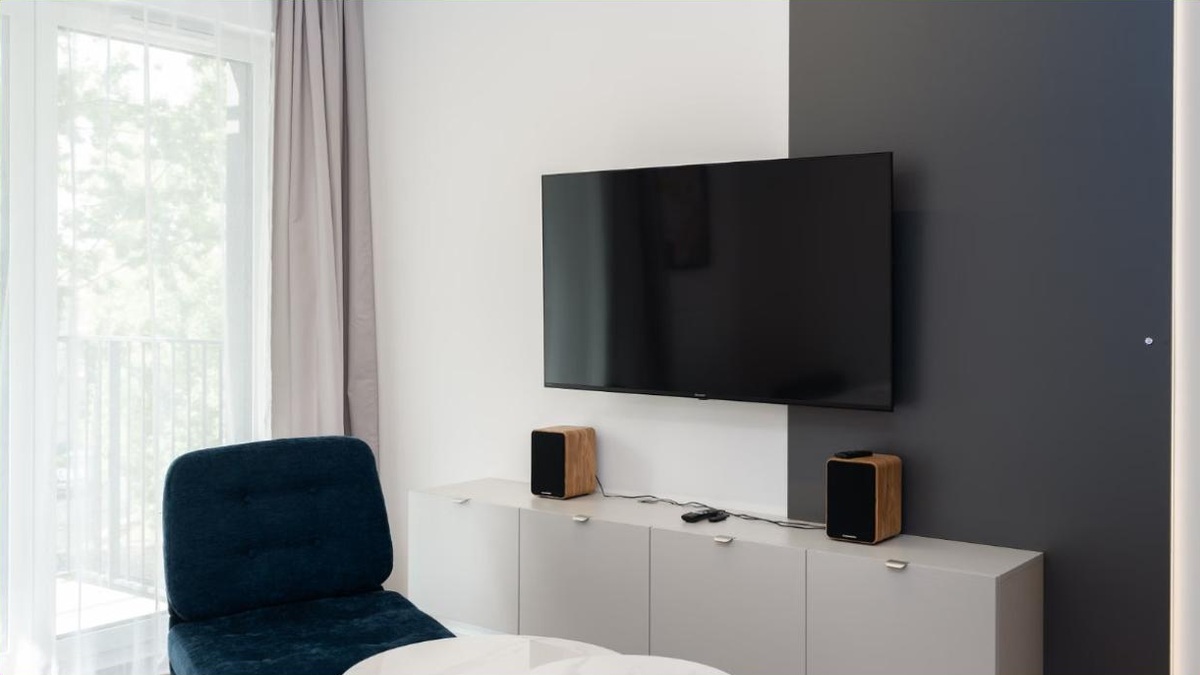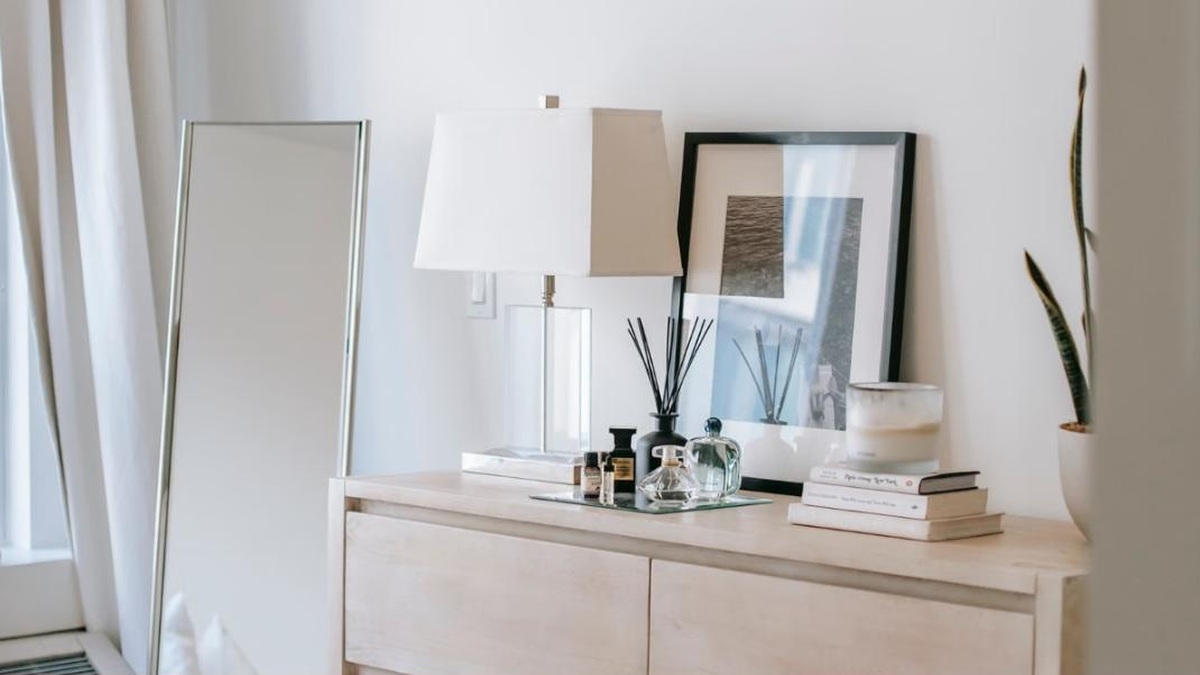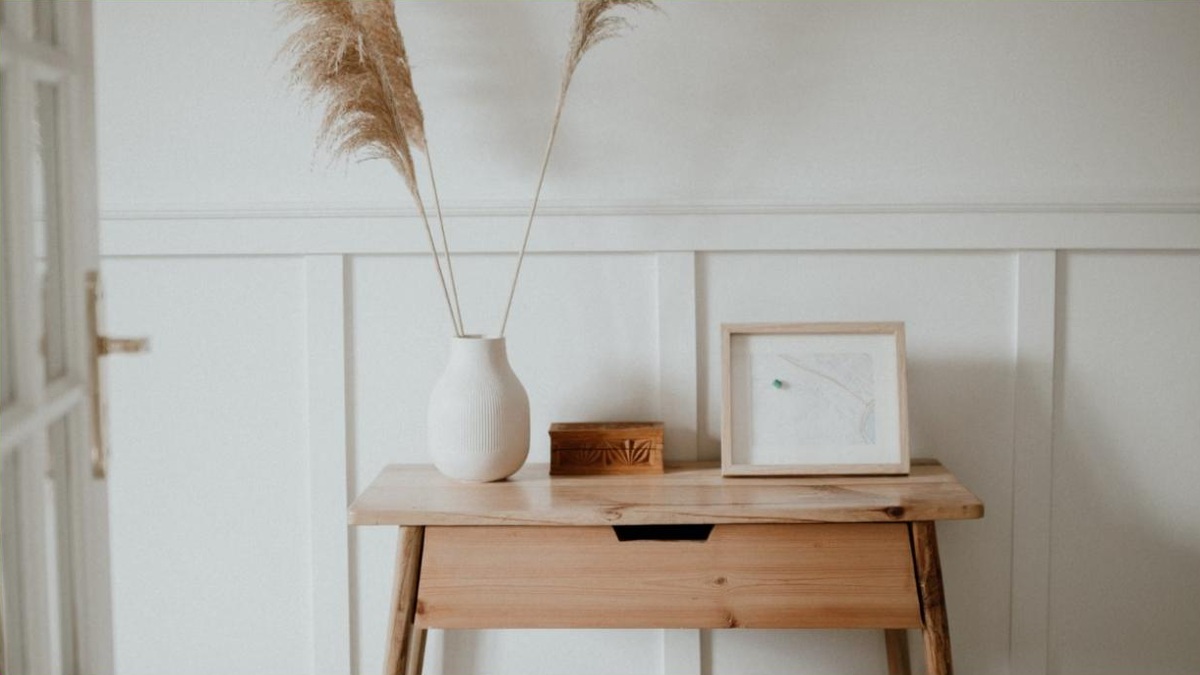
The console table is the most underrated piece of furniture for a small home, because it does so much in so little depth. At ten or twelve inches deep it fits where nothing else will — a bare entry wall, a hallway, the dead strip behind a floated sofa — and turns it into a working surface with drawers or shelves underneath. It catches keys by the door, hides remotes behind the couch, stages a lamp and a plant, and does it all without stealing the walking path the way a full table would. The catch is that "console table" covers everything from a slim two-drawer entry piece to a table that unfolds to seat six, so the right one depends entirely on the job. Here's how the styles compare and the specific consoles worth buying.
For most small spaces, a narrow console table around ten to twelve inches deep is the best pick — slim enough to sit behind a sofa or against an entry wall without blocking the path, with drawers or shelves for the clutter that gathers there. If you want it open and airy, a shelved console works; behind a sofa, a long slim table adds a ledge; off the floor, a floating console frees the space beneath; and an expandable one unfolds into a dining table when guests come. Below, the best pick for each job and the depth to measure first.
How to choose a console table
Three questions sort the options fast: how deep, what job, and hidden or open storage.
Depth is everything — keep it around 10 to 12 inches. A console table earns its place by being shallow: at ten to twelve inches deep it sits against a wall or behind a sofa without narrowing the walking path, which is the whole point. Behind a floated sofa, match the console's height to the sofa back (or an inch below) so it reads as intentional, not like a table shoved against the couch. In an entryway, leave at least a couple of feet of clear passage in front of it. Measure the depth of the spot before anything else — a console that sticks out too far turns a smart space-saver into an obstacle you keep bumping.
Match the console to its job. These pieces do very different things: an entryway console wants a drawer or basket shelf to catch keys, mail, and bags; a behind-sofa console wants length and a slim ledge for lamps, drinks, or a charging spot; a bare-wall console is mostly about staging a lamp, art, and a plant to fill an empty stretch; and an expandable console is really a dining table in disguise, folded flat until you need it. Buy for the one job the spot actually needs rather than a generic table, and it works far harder. The behind-sofa trick in particular turns a dead gap into usable surface, one of the highest-leverage moves in our small living room ideas guide.
Hidden or open storage, and does it need to move? Drawers and cabinets hide keys, mail, and clutter behind a clean front — best in an entry or a room that needs to look tidy. Open shelves are lighter and hold baskets, books, or shoes on display, and read airier in a tight space. A floating, wall-mounted console gives back the floor beneath entirely, the airiest option of all. If the console doubles as a dining or work table, an expandable one folds away between uses. This is the same fold-and-hide thinking behind our space-saving dining tables — a console that expands is where the two categories meet, and an entry console pairs with the rest of our small entryway organization ideas.
The console tables compared
| Pick | Type | Depth/footprint | Best for |
|---|---|---|---|
| SONGMICS Drawer Console | Narrow, fabric drawers | Slim | The all-rounder |
| HOOBRO Open-Shelf | 4-tier industrial | Slim, open | An airy, light look |
| LED Outlet Console | Modern w/ charging | Slim | Entry charging station |
| YASONIC Behind-Couch | Long slim table | Very shallow | Behind a floated sofa |
| HOMBIX Expandable | Console → dining table | Folds flat | Dining when needed |
| TuckTect Floating | Wall-mounted | Off the floor | Maximum floor space |
Depths and lengths vary by listing — measure the spot (and the sofa-back height for behind-couch use) before buying.
Our product picks
SONGMICS Narrow Console Table with 3 Fabric Drawers
A slim console with three fabric drawers and a shelf — the do-everything pick that catches keys and mail in an entry, hides remotes behind a sofa, or stages a lamp against a bare wall. Narrow enough to keep the path clear, with drawers that pull out for the clutter and a top for decor. The default first buy for most small spaces: shallow footprint, real storage, works almost anywhere.
Check price on Amazon →HOOBRO 4-Tier Industrial Open-Shelf Console
A narrow console of open shelves in wood and metal that reads light and airy because you see straight through it — four tiers for baskets, books, shoes, or a plant without a bulky closed box. It fills a bare wall or hallway with storage that doesn't weigh the space down. The pick for a minimal room where an open, leggy piece keeps things feeling spacious.
Check price on Amazon →Narrow Console Table with LED Lights & Power Outlet
A slim entry console with built-in power outlets and LED accent lighting, so it doubles as the spot where phones and keys land and charge by the door. The outlet turns a decorative ledge into a working drop zone, and the light adds a warm glow to an entry that usually has none. The pick for making the front door the place devices charge instead of the kitchen counter.
Check price on Amazon →YASONIC Long Behind-Couch Console Table
A long, very shallow table made to run along the back of a floated sofa, with a height that adjusts to sit level with the sofa back. It turns the dead gap behind the couch into a ledge for lamps, drinks, or a laptop — and can double as a serving or standing surface. The pick for a sofa that floats in the room rather than against a wall, one of the smartest small-space layouts.
Check price on Amazon →HOMBIX Expandable Console-to-Dining Table
A folding console that lives slim against the wall and unfolds into a full dining table seating up to a crowd when guests arrive — a console and a dining table in one piece for a home with no room for both. Folded, it's a shallow ledge; extended, it seats a dinner party. The pick for a studio or small apartment that has to host without a permanent dining table eating the floor year-round.
Check price on Amazon →TuckTect Floating Solid Wood Console Table
A wall-mounted solid-wood console that floats off the floor, giving back the space beneath entirely — the airiest option here, and a clean modern look in an entry or behind a sofa. It mounts to the wall for a built-in feel and holds a lamp, a bowl for keys, and a shelf's worth of decor. The pick when you want the surface without spending any floor at all on legs.
Check price on Amazon →Start by measuring the depth of the spot and matching the console to its one real job — catching keys, backing a sofa, staging a wall, or standing in as a dining table. Keep it around ten to twelve inches deep, match a behind-sofa console to the sofa-back height, and lean toward closed drawers where clutter gathers. Then round out the room with a TV stand sized to the wall, see the whole plan in our small living room ideas guide, and if it's an entry console, pair it with our small entryway organization ideas.
Common questions
How deep should a console table be for a small space?
Around 10 to 12 inches. That's shallow enough to sit against a wall or behind a sofa without narrowing the walking path, which is the whole reason a console works where a full table won't. Anything deeper starts to crowd a tight room and defeats the purpose. Measure the depth of the exact spot before buying, and in an entryway leave at least a couple of feet of clear passage in front of the console so it doesn't block the door.
What do you put a console table behind or against?
Four classic spots: behind a floated sofa (a ledge for lamps and drinks), against a bare entry wall (a drop zone for keys and mail), down a hallway (storage and staging where nothing else fits), or under a wall-mounted TV or mirror. Match the console to the job — drawers for an entry, length for behind a sofa, shelves for a hallway. Behind a sofa, set the height level with or just below the sofa back so it looks built-in rather than added on.
Can a console table be used as a dining table?
An expandable one can. A folding console-to-dining table lives slim against the wall most of the time and unfolds into a full table when you need to eat or host, which is ideal for a studio or small apartment with no room for a permanent dining table. A fixed console is too shallow to dine at comfortably, so if you want the dual purpose, buy one specifically designed to expand — it's a console and a dining table in a single footprint.
What's the difference between a console table and a sofa table?
They overlap heavily — a sofa table is really just a console table placed behind a sofa. Both are long and shallow. The practical difference is height and length: a sofa table is often sized to match the height of the sofa back and runs most of the sofa's length, while an entryway console can be any length and is usually set to a standard table height. Buy for placement: a behind-couch table wants to match the sofa back; a wall console just wants to fit the wall.